PM Tarique Rahman Targets Semiconductor Manufacturing as Bangladesh’s Next Export Pillar
According to The Business Standard, Prime Minister Tarique Rahman has positioned semiconductors as Bangladesh’s prospective export sector after readymade garments, linking that ambition to the…
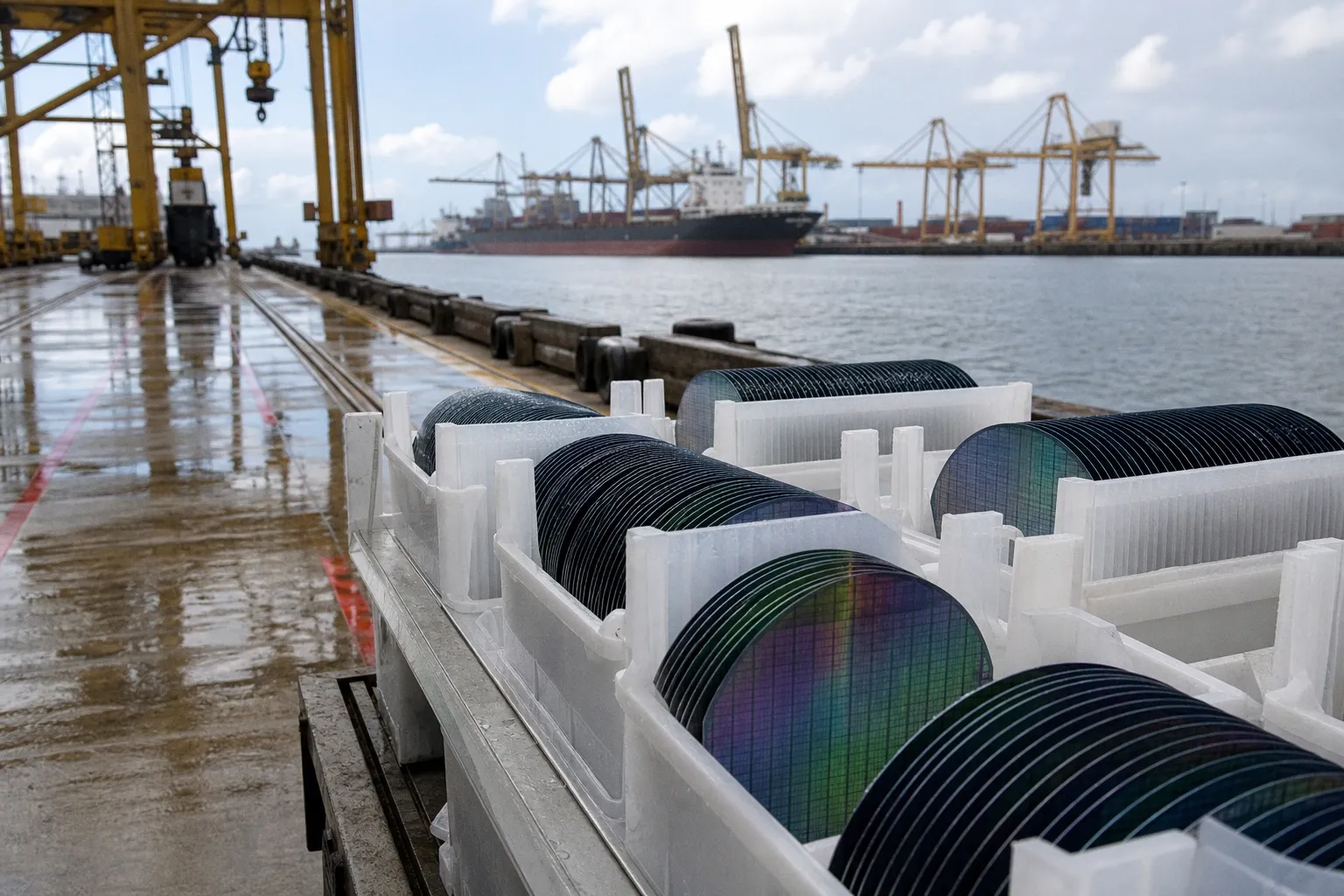
According to The Business Standard, Prime Minister Tarique Rahman has positioned semiconductors as Bangladesh’s prospective export sector after readymade garments, linking that ambition to the government’s emerging chip-industry roadmap. At the opening of the two-day BEAR Summit 2026 in Dhaka, he cited investment incentives, bonded-warehouse facilities and specialised infrastructure as elements of the proposed operating framework.
The statement matters because it moves the semiconductor agenda beyond a general technology-policy objective and places it beside the country’s export structure. But the fiscal incentives and infrastructure commitments described so far are inputs into an ecosystem, not evidence of an established manufacturing base or export pipeline.
An industrial-policy proposition, not yet an export result
Rahman said the government has introduced tax and duty incentives for semiconductor manufacturing and support for design services, while existing high-tech parks are to be modernised. A dedicated biotechnology park is also being planned, alongside startup grants intended to encourage technology-based businesses.
The architecture is broad: it combines preferential tax treatment, trade-facilitation tools, physical sites and startup support. Its commercial relevance will depend on whether these measures are translated into a predictable statutory framework for firms that must make long-duration investment decisions.
The prime minister also referred to Bangladeshi activity in semiconductor design, verification, embedded systems, power electronics and advanced manufacturing, saying that several local companies have entered international markets. That distinction is material. Design and related services can connect Bangladesh to the semiconductor value chain without implying that the country has already secured large-scale fabrication capacity.
Talent and financing remain the binding constraints
The government’s own diagnosis is more restrained than the export aspiration. Rahman identified shortages of skilled manpower, limited laboratory facilities, financing constraints and intense international competition as current obstacles. These are not peripheral issues: they determine whether incentives can convert into investable projects and whether local firms can sustain contracts in a global supply chain.
He said more than 3,000 Bangladeshi semiconductor professionals work at companies, universities and research institutions across the United States, Malaysia, South Korea, Japan, Singapore and Europe. That diaspora represents potential technical linkage, but it does not by itself resolve domestic laboratory capacity, capital availability or the institutional coordination required among ministries, universities, industry and development partners.
For investors and local technology firms, the substantive indicators to watch are therefore not summit rhetoric but the implementation sequence: the terms of the tax and bonded-warehouse measures, the delivery of high-tech-park upgrades, financing access and the formation of research and commercial partnerships.
External conditions will shape the margin for error
The government has separately committed to a business-friendly environment, policy reforms and legal protection at the FICCI FDI Conference, according to BSS. The semiconductor programme will be tested against that wider pledge to build a rules-based, private-sector-driven economy.
The timing is also relevant as capital allocation becomes more selective internationally; the IMF’s lower 2026 global growth forecast points to a less forgiving external environment for new investment programmes. Bangladesh’s immediate task is consequently institutional rather than promotional: establish credible incentives, technical capacity and investor protections before treating semiconductors as a second export engine.