Industrial growth hits decade low. Can it double next year?
Bangladesh's industrial sector grew by just 2.86 percent in fiscal year 2025-26, marking its slowest expansion in a decade.
This underperformance occurred even as the broader economy expanded to 4.14 percent GDP growth, according to provisional data from the Bangladesh Bureau of Statistics. The divergence signals deep structural constraints in the nation's productive base, raising critical questions about the sustainability of current growth targets.
A Macro-Sector Disconnect
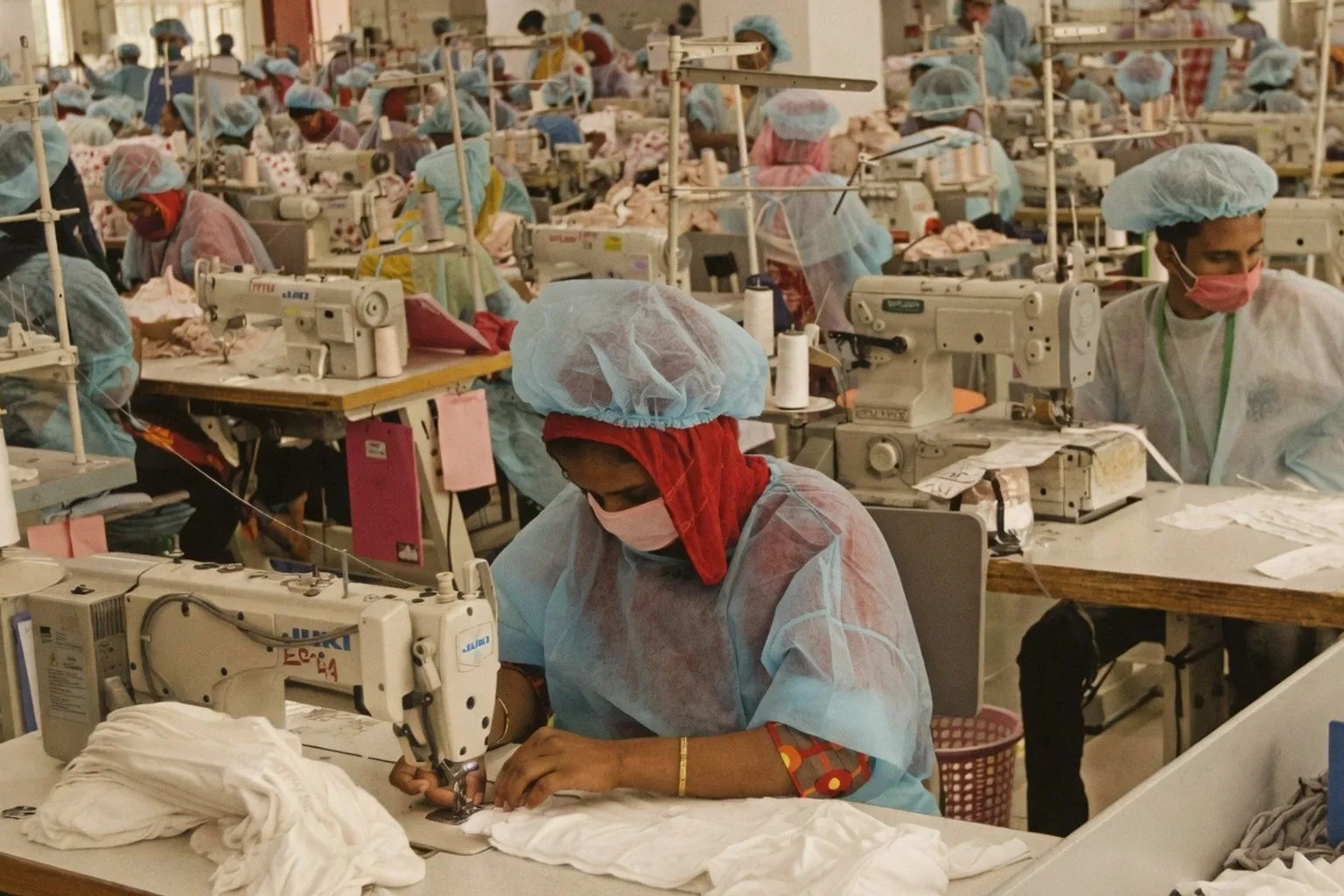
The industrial sector, accounting for approximately 37 percent of GDP, is heavily weighted toward manufacturing, particularly the ready-made garment (RMG) industry. The Finance Division's Medium-Term Macroeconomic Policy Statement confirmed subdued activity, with several quarters recording less than 1 percent industrial growth. The principal driver of this weakness, as analyzed by economists, is the loss of momentum in garment exports. This external demand shock has directly muted the single largest component of manufacturing output. Concurrently, domestic consumption remains stifled. Inflation, persistently near 10 percent for much of the past four years, has systematically eroded purchasing power, disrupting what was a decade-long expansion fueled by a growing consumer market.
Structural Bottlenecks Compound Demand Weakness
The demand-side contraction is amplified by acute supply-side failures. Industry representatives cite energy shortages as a primary operational constraint, with some factories operating at only 30-40 percent capacity. The acute gas shortage has particularly impacted sectors like ceramics and glass. Financial conditions present a parallel choke point. High interest rates have elevated debt-servicing costs, while the banking sector's stress—marked by rising non-performing loans and lending irregularities—has restricted credit access for viable businesses. Furthermore, significant government borrowing from banks risks crowding out private-sector investment, creating a vicious cycle where financing remains tight even for entities with sound projects.
The Outlook and Policy Crossroads
The Finance Division's observation that the services sector is providing the principal support to aggregate output highlights a fundamental imbalance in the growth model. For industrial growth to double next year, as the headline questions, would require a simultaneous resolution of external demand headwinds, domestic inflation, and entrenched supply-side constraints. This implies a need for coherent policy addressing energy infrastructure, financial sector reform, and targeted support for export-oriented industries. Without decisive intervention on these fronts, the gap between headline GDP growth and underlying industrial vitality is likely to persist, testing the resilience of Bangladesh's economic structure.