Future textile engineers must lead Bangladesh's next growth phase
SME Foundation data cited by The Business Standard puts the structural weight of Bangladesh's small and medium enterprise sector in stark quantitative terms: cottage, micro, small and medium firms…
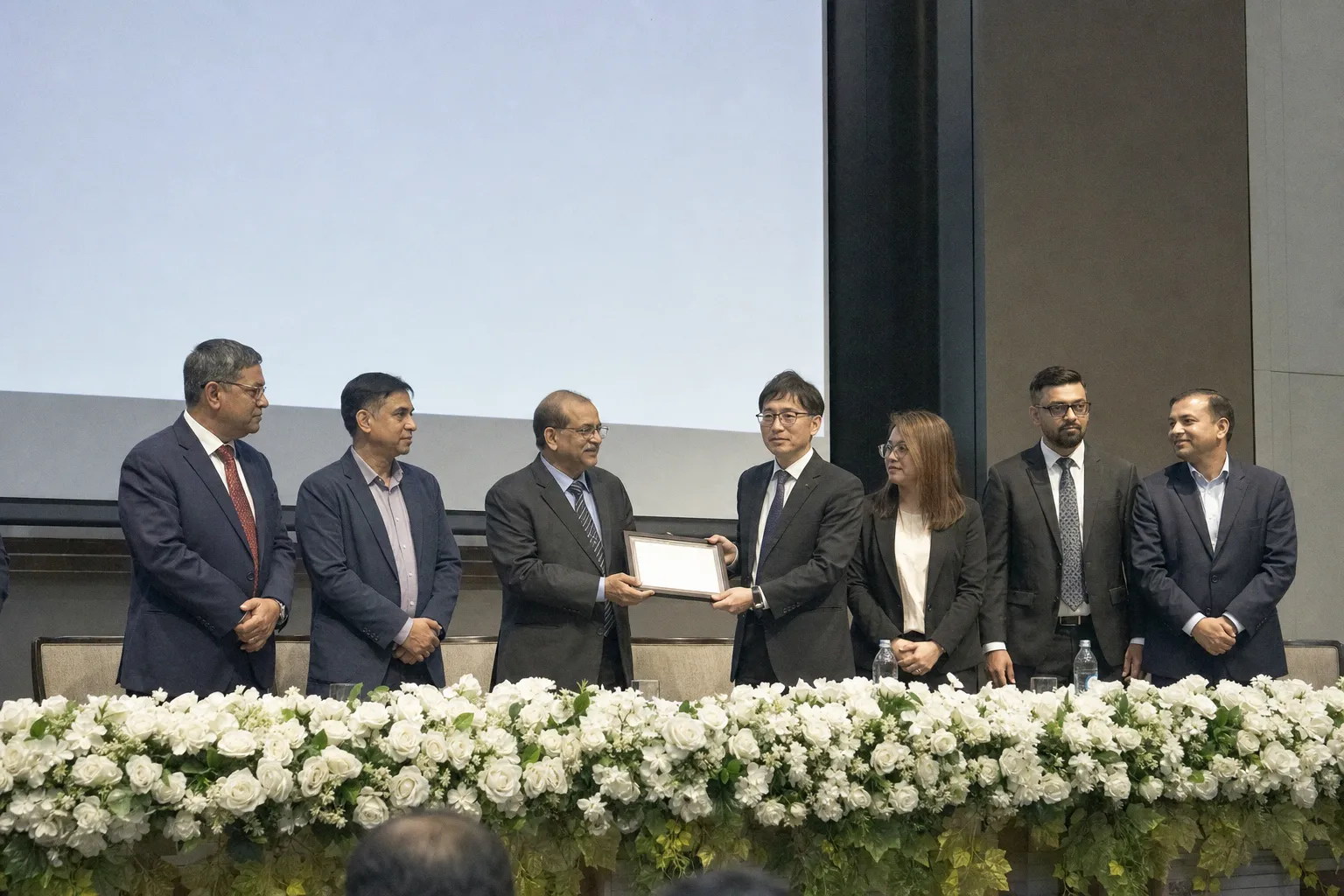
SME Foundation data cited by The Business Standard puts the structural weight of Bangladesh's small and medium enterprise sector in stark quantitative terms: cottage, micro, small and medium firms account for roughly 99.92% of all economic units, employ around 23.6 million people—about 78% of total employment—and contribute more than 31% of GDP. Textile Today, framing the industry's near-term agenda, argues that it is the next cohort of textile engineers, rather than incremental factory capacity, that will determine whether the country extracts durable value from its apparel base or remains confined to commodity-grade production.
Capacity without capability
Three decades of readymade garments investment delivered scale but produced a narrow vertical profile. Bangladesh moved from a low-income agrarian base to a middle-income exporter without building the mid-tier technical capacity that sustains margins in textiles: process engineering, dyeing chemistry, technical-textile product development, and the compliance regimes that govern high-end buyer sourcing. The arithmetic is straightforward—unit capacity expansion yields diminishing returns unless paired with technical input that raises the product complexity ceiling. Textile engineering, as the binding intermediate input, sits at the centre of this transition; without it, additional factory floors compete only on cost, a position that erodes as wages adjust and comparable geographies add capacity.
The SME constraint and external benchmarks
Bangladesh's growth arithmetic is now an SME problem, because the firm class that already constitutes the bulk of the economy has not yet been lifted into higher value-chain tiers. International comparators illustrate the stakes. Germany's Mittelstand—more than 99% of all firms, deeply specialised, apprenticeship-driven, and globally competitive in industrial niches—demonstrates what a high-functioning SME ecosystem extracts from a mature economy. Vietnam offers the more proximate template: SMEs account for roughly 98% of Vietnamese enterprises and contribute 40–45% of GDP, with denser integration into electronics, textiles, and light manufacturing supply chains than Bangladesh has achieved outside garments. The Business Standard, citing sector analysts, frames the proximate constraint bluntly: access to finance remains one of the largest obstacles for micro and cottage enterprises across Bangladesh, but capital alone is insufficient—young enterprises require guidance, financial literacy, and an institutional architecture that supports sustainable scaling.
What to track
The forward variables are institutional and will move slowly. Three signals are worth monitoring over the next fiscal cycle: enrolment and absorption capacity within textile and industrial-engineering programmes and the wage trajectory of their graduates relative to garment-floor positions; the resolution of SME credit-market frictions, including non-collateralised lending windows, refinancing terms, and demand for working-capital facilities; and the depth of integration between textile-producing clusters and adjacent engineering services covering industrial automation, compliance testing, and product-level R&D. If textile engineers are the decisive input in the next growth phase, these are the channels through which their effect will register—well ahead of headline export volumes and well before any visible re-rating of Bangladesh's industrial complexity index.