ITFC Trade Finance For Bangladesh FY27 | ITFC to provide $3.3b for energy, fertiliser in FY27
The International Islamic Trade Finance Corporation (ITFC) has scaled its annual trade financing ceiling for Bangladesh to $3.3 billion for fiscal year 2026-27, a 48 percent increase over the $2.23 billion extended in the previous cycle.
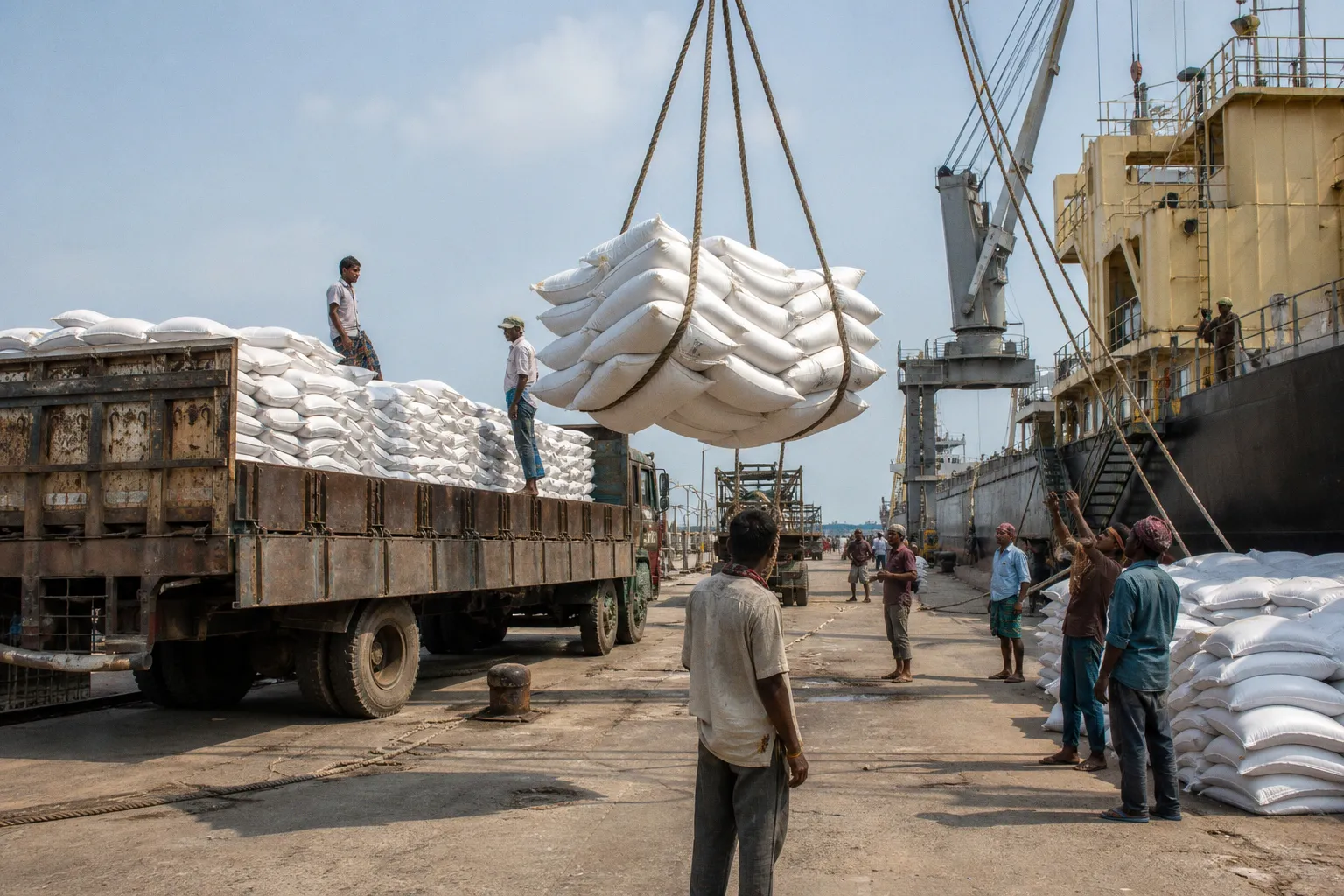
The facility, signed in Jeddah, is earmarked overwhelmingly for hydrocarbon imports, leaving Bangladesh's import-dependent energy and fertiliser accounts structurally tied to multilateral Shariah-compliant credit lines for another year.
Allocation architecture
The package is concentrated rather than diversified. According to the Economic Relations Division, $2.5 billion — roughly 76 percent of the total — is allocated to Bangladesh Petroleum Corporation for fuel oil imports, while $600 million is ring-fenced for liquefied natural gas procurement. The residual covers fertiliser imports. The terms specify a 12-to-18-month repayment window, with the cost of funds benchmarked to the Secured Overnight Financing Rate plus 1.65 to 1.70 percentage points. For a country running a persistent current account deficit and rebuilding foreign exchange reserves, the SOFR-linked pricing means the carry cost of this facility will move in tandem with US monetary policy, decoupling Bangladesh's import financing from any domestic easing cycle.
Drivers behind the expansion
ERD officials indicated the enlarged ceiling reflects assessment of Middle East tensions and their second-order effect on energy markets and import bills. That framing is consistent with the fiscal arithmetic. Bangladesh imports the bulk of its refined fuel and all of its LNG requirement; any disruption to Gulf shipping lanes or feedstock flows translates directly into higher letters of credit demand. The $770 million increase over the prior year's envelope therefore functions less as a policy choice than as a recognition of price-level and volume risk already embedded in the import pipeline.
Macro frame for FY27
The ITFC facility is one pillar of a broader trade-finance scaffolding the government is erecting for the new fiscal year. Bangladesh Bank has simultaneously maintained export cash incentive rates across 43 sectors at FY26 levels — including a 1.5 percent subsidy for domestic textiles, an additional 0.5 percent for eurozone-bound shipments, a 3 percent top-up for SME ready-made garment exporters, and 10 percent incentives for agricultural and processed agricultural exports. The incentive regime enters its new fiscal year against the backdrop of an unmet export target from FY26, which constrains the revenue side of the external account that the ITFC facility is designed to support on the import side. The combined picture is one of expanded external borrowing capacity being matched, at best, by flat export earnings — a configuration that leaves the trade balance sensitive to energy price volatility rather than insulated from it.
What to track: quarterly disbursement data from ERD, the trajectory of SOFR through FY27, and any supplementary financing arrangements that emerge if the $600 million LNG allocation proves insufficient against realised import volumes.