Bengal Garment Expo: Rs 1,600 Cr Business, 1,000+ Brands
A three-day B2B garment expo in West Bengal is expected to generate about Rs 1,600 crore in wholesale transactions, according to reports citing the organisers.
A regional wholesale signal, not just a local fair
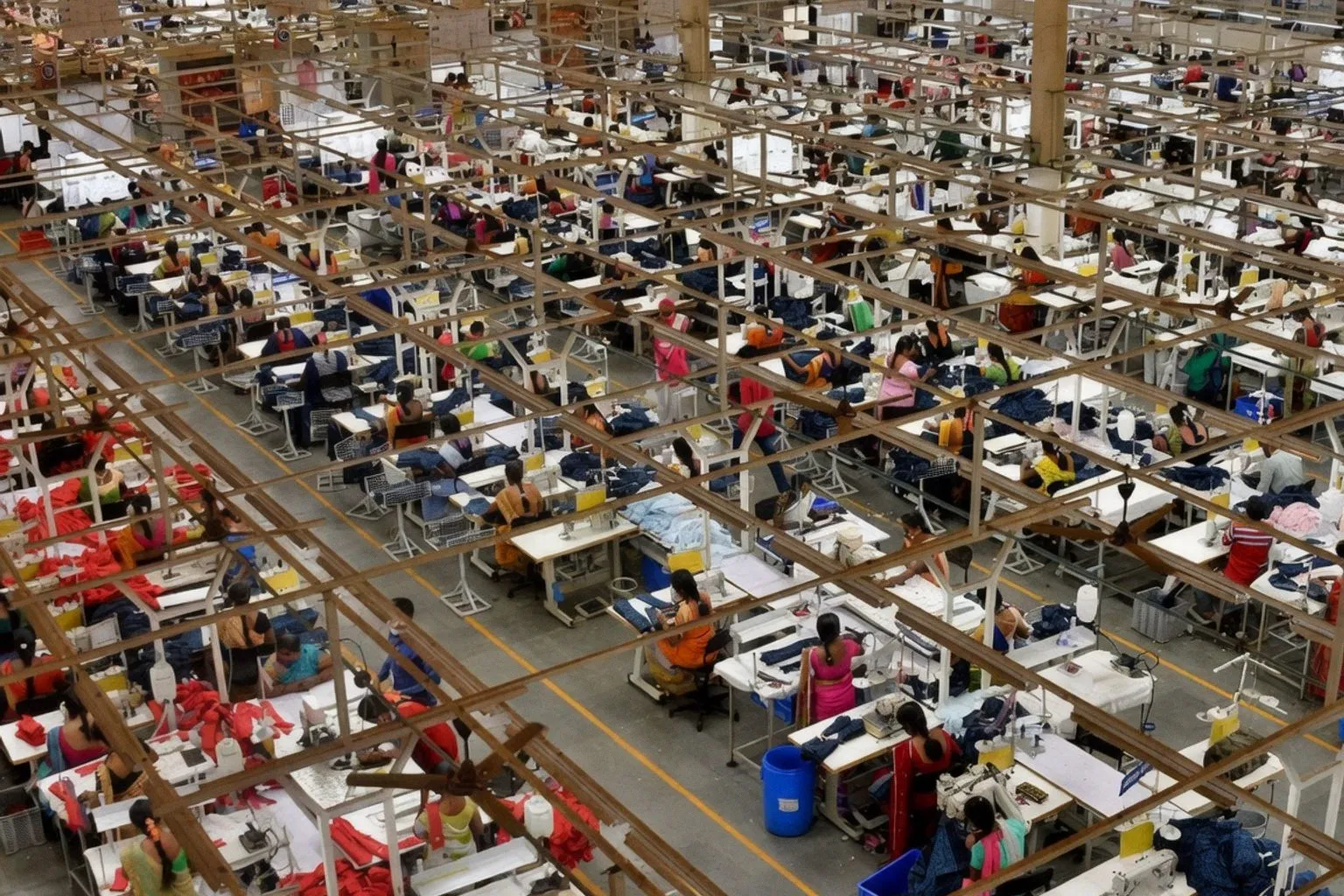
The 60th Garment Buyers & Sellers Meet and B2B Expo began on Sunday in Kolkata, organised by the West Bengal Garment Manufacturers and Dealers Association. Reports say the expo covers more than two lakh square feet and is focused on ready-to-wear apparel for men, women and children.
The headline number is the projected Rs 1,600 crore in wholesale business. That figure should be read as an organiser-side expectation rather than audited transaction data, but it still indicates the scale of domestic trade activity being mobilised around India’s readymade garment market.
For Bangladesh, the relevance is structural. India’s eastern market is geographically close, commercially active and increasingly visible as a sourcing and distribution arena. A large buyers-sellers platform in Kolkata does not directly alter Bangladesh’s export books, but it does sharpen the regional benchmark for pricing, product mix and buyer engagement.
What the confirmed details show
The expo is reported to feature more than 1,000 brands, including national and international participants. The stated objective is to connect businesses, identify market trends and expand trade reach. Hari Kishan Rathi, president of the West Bengal Garment Manufacturers and Dealers Association, is cited as saying the event is expected to generate business worth nearly Rs 1,600 crore.
Devendra Baid, the association’s honorary secretary, is also cited as describing the garment industry as one of the largest employment generators and an important contributor to the state economy. That framing matters because apparel in this region is not merely a retail category; it is a labour-intensive industrial segment tied to wholesale networks, logistics, working capital cycles and small-business distribution.
The available reports do not provide verified transaction closures, buyer-country breakdowns, order values by category or post-event conversion rates. Those omissions are material. For policy and market analysis, the difference between projected business and completed wholesale contracts is not cosmetic; it determines whether the event represents actual demand expansion or primarily a promotional aggregation of existing trade flows.
Why Bangladesh should watch the buyer mix
Bangladesh’s garment sector should treat the Kolkata expo as a competitive intelligence point rather than a direct threat narrative. The practical questions are straightforward: which product categories gained buyer attention, whether international buyers used the event for sourcing discussions, and how Indian wholesale channels position ready-to-wear products by age group and market segment.
If the projected business is substantially realised, it would strengthen West Bengal’s case for investment in apparel-linked infrastructure, trade facilitation and employment policy. If the number remains largely indicative, the event still serves as a platform for brand visibility and distribution consolidation.
For Bangladeshi manufacturers, traders and policy observers, the next data to watch is not the headline value alone. It is the eventual evidence of confirmed orders, repeat buyer participation, cross-border interest and category-level demand. In a regional apparel market where margins are shaped by scale, speed and buyer confidence, those details will matter more than the ceremonial size of the expo.