Source Fashion to spotlight sustainability and supply chain resilience
MSN has reported that Source Fashion will put sustainability and supply chain resilience in focus, a pairing that now sits at the centre of sourcing decisions rather than at the edge of brand presentation.
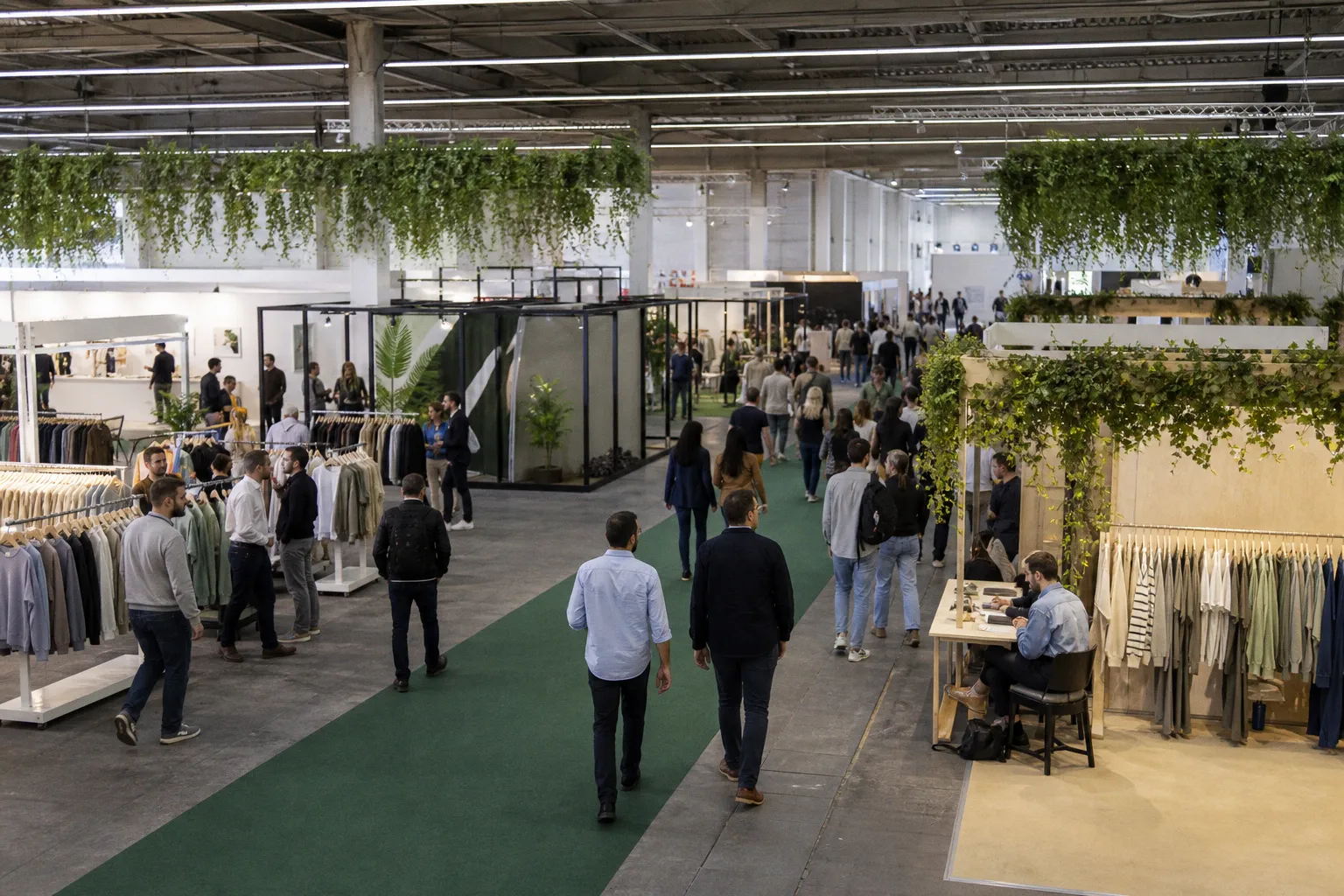
For Bangladesh’s apparel-linked business audience, the immediate relevance is not a new tariff, factory rule, or buyer mandate, but a market signal: sourcing platforms are treating environmental claims and continuity of supply as linked commercial criteria. The available public snippets do not provide dates, speakers, exhibitor lists, or programme details, so the prudent reading is limited but still useful.
Sustainability is being framed as a sourcing condition
The reported focus of Source Fashion matters because sustainability, in this context, is not being presented as a standalone branding theme. It is being placed alongside supply chain resilience, which implies a more operational discussion: how products are sourced, how suppliers document practices, and how buyers assess continuity when placing orders.
For Bangladeshi manufacturers, merchandisers, logistics providers and sourcing intermediaries, the practical takeaway is to avoid treating sustainability documentation as a compliance file opened only at audit time. If buyers are using trade platforms to compare suppliers on both sustainability and resilience, then factory-level claims, supplier mapping, material traceability and delivery reliability become part of the same commercial conversation.
For related context, see Egypt upgrades banking system to global ISO 20022 standard in digital payments push -.
For related context, see Strait of Hormuz Crisis: How Oil Prices, Inflation & Global Monetary Policy Could.
The evidence currently available does not confirm any specific new standard, certification requirement, or buyer policy linked to Source Fashion. That distinction is important. A trade-event theme is not a statutory framework, and it should not be read as regulation. But it does indicate where buyer-facing language is moving, and in apparel sourcing that language often precedes procurement filters.
Supply chain resilience remains the institutional theme
The Source Fashion report sits within a broader cluster of supply-chain coverage. Yahoo Finance reported on the 4th China International Supply Chain Expo, describing its digital technology chain as linking global upstream and downstream participants in the intelligent economy. Local 3 News separately reported that the 4th China International Supply Chain Expo concluded in Beijing. The Globe and Mail carried a report on the CISCE Supply Chain Service Zone, where logistics, finance and global connectivity were said to take centre stage.
These are not identical events and should not be merged into a single narrative. Still, the common denominator is clear: supply chains are being discussed through infrastructure, finance, digital coordination and cross-border connectivity, not only through factory capacity or unit price.
For Bangladesh-facing businesses, that changes the checklist. Resilience is not merely the ability to produce during disruption. It also concerns whether inputs, financing arrangements, logistics channels and buyer communication systems can withstand delays, documentation pressure and shifts in sourcing preference. The public snippets do not establish how Source Fashion will address these issues, but the alignment of themes across sourcing and supply-chain forums is difficult to ignore.
What firms should verify before moving
The first item to verify is whether Source Fashion releases a detailed agenda, exhibitor information, or buyer participation list. Without that, firms should not assume that a reported theme will translate into immediate purchasing changes.
The second is internal readiness. Suppliers should review which sustainability claims are evidence-backed, which parts of the supply chain are documented, and where continuity risks remain dependent on a single route, financier, input source, or buyer communication channel. That is not a call for abrupt capital spending; it is a risk register exercise.
The third is buyer language. If sourcing teams begin asking resilience questions alongside sustainability questions, the commercial negotiation will shift from price-and-capacity toward proof-and-continuity. For Bangladesh’s apparel economy, the next signal to watch is whether these event themes become procurement questionnaires, contract clauses, or preferred-supplier criteria. Until then, the correct market stance is preparation without overstatement.