India Among Fastest-Growing Major Economies with 6.4% GDP Growth Projected for FY27: IMF
India's economy will expand at 6.4% in the current fiscal year, the International Monetary Fund projects in its latest World Economic Outlook—a marginal 0.1-percentage-point downward revision from…
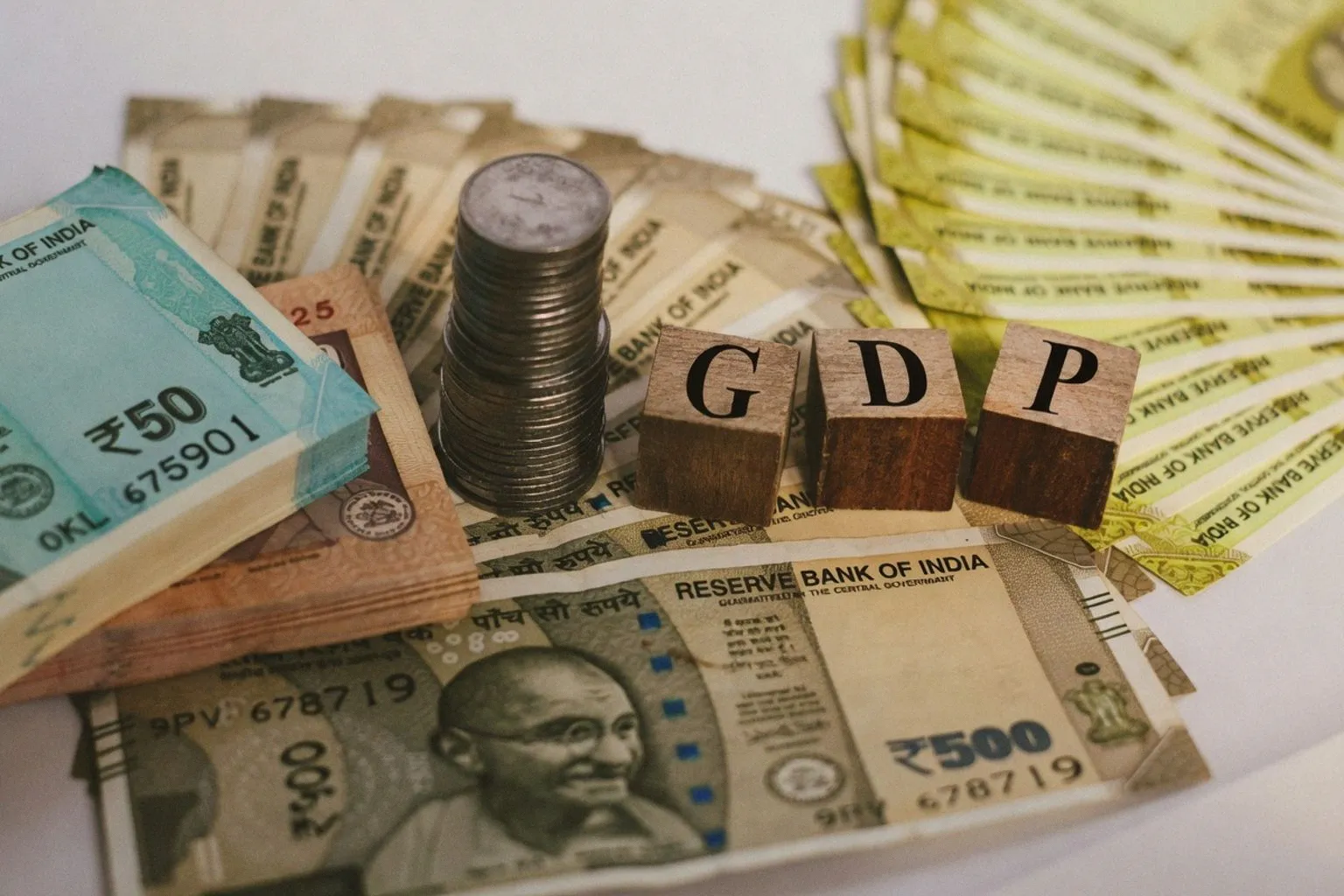
India's economy will expand at 6.4% in the current fiscal year, the International Monetary Fund projects in its latest World Economic Outlook—a marginal 0.1-percentage-point downward revision from April, but a figure that still positions the country among the fastest-growing major economies globally. For Bangladesh, whose trade linkages, remittance corridors, and supply-chain exposure to its western neighbour remain structurally significant, the trajectory of Indian demand and investment flows warrants close attention.
Growth Drivers Holding Despite External Headwinds
The IMF attributes India's resilience to three domestic pillars: robust private consumption, sustained expansion across the service sectors, and strong underlying demand. These structural buffers, the fund notes, continue to insulate the economy from elevated crude oil prices, escalating geopolitical frictions in West Asia, and a broader deceleration in global trade velocity. The forecast for FY28 accelerates to 6.7%, signalling that the multilateral lender sees the current soft patch as cyclical rather than structural.
The revision carries a caveat. Both the IMF and the Asian Development Bank have flagged oil-price risk as a material downside factor. For an economy still heavily dependent on imported crude, any sustained spike in global energy costs would compress margins across manufacturing and logistics—sectors where Indian and Bangladeshi supply chains increasingly intersect.
Global Macro Context: 3% Growth and the AI Variable
Global economic growth is projected to decelerate to 3.0% in calendar year 2026 before rebounding to 3.4% in 2027, according to the same IMF report. The fund identifies widespread conflict in West Asia and volatile energy pricing as the primary drags on international markets. Against that backdrop, India's outperformance relative to the global mean is notable, though not anomalous for a domestically driven economy with a large services base.
One emerging variable the IMF highlights is the rapid commercial integration of Artificial Intelligence technologies, which it describes as providing a "significant structural boost" to global productivity. This dynamic is not confined to advanced economies; AI-driven efficiency gains are increasingly visible in South and Southeast Asian financial services, logistics, and back-office operations. The broader implication is a potential fintech power shift as China overtakes the US in record patent growth, reshaping the technology and capital allocation landscape across the region.
What This Means for Bangladesh
A 6.4% Indian expansion underpins several channels relevant to Dhaka. First, sustained Indian consumer demand supports Bangladeshi export competitiveness in textiles and light manufacturing, sectors where Indian buyers represent a growing share of orders. Second, remittance flows from the estimated 4–5 million Bangladeshi workers in India and the Gulf corridor remain sensitive to Indian growth momentum, particularly in construction and services. Third, any oil-price shock that compresses Indian growth would cascade regionally—tightening credit conditions, widening current-account deficits, and increasing input costs across South Asian economies simultaneously.
For businesses and investors tracking regional positioning, the IMF's numbers suggest a window of relative stability. The downward revision is marginal, the medium-term outlook is positive, and the structural drivers remain intact. The risk vector to monitor is not Indian demand per se, but the external shocks—energy, geopolitics, trade friction—that could erode the buffers the fund identifies.