India's fertilizer imports navigate West Asia crisis as supply chain resilience is tested
A fresh Indiatimes report says India’s fertilizer imports are moving through a West Asia crisis that is testing supply-chain resilience.
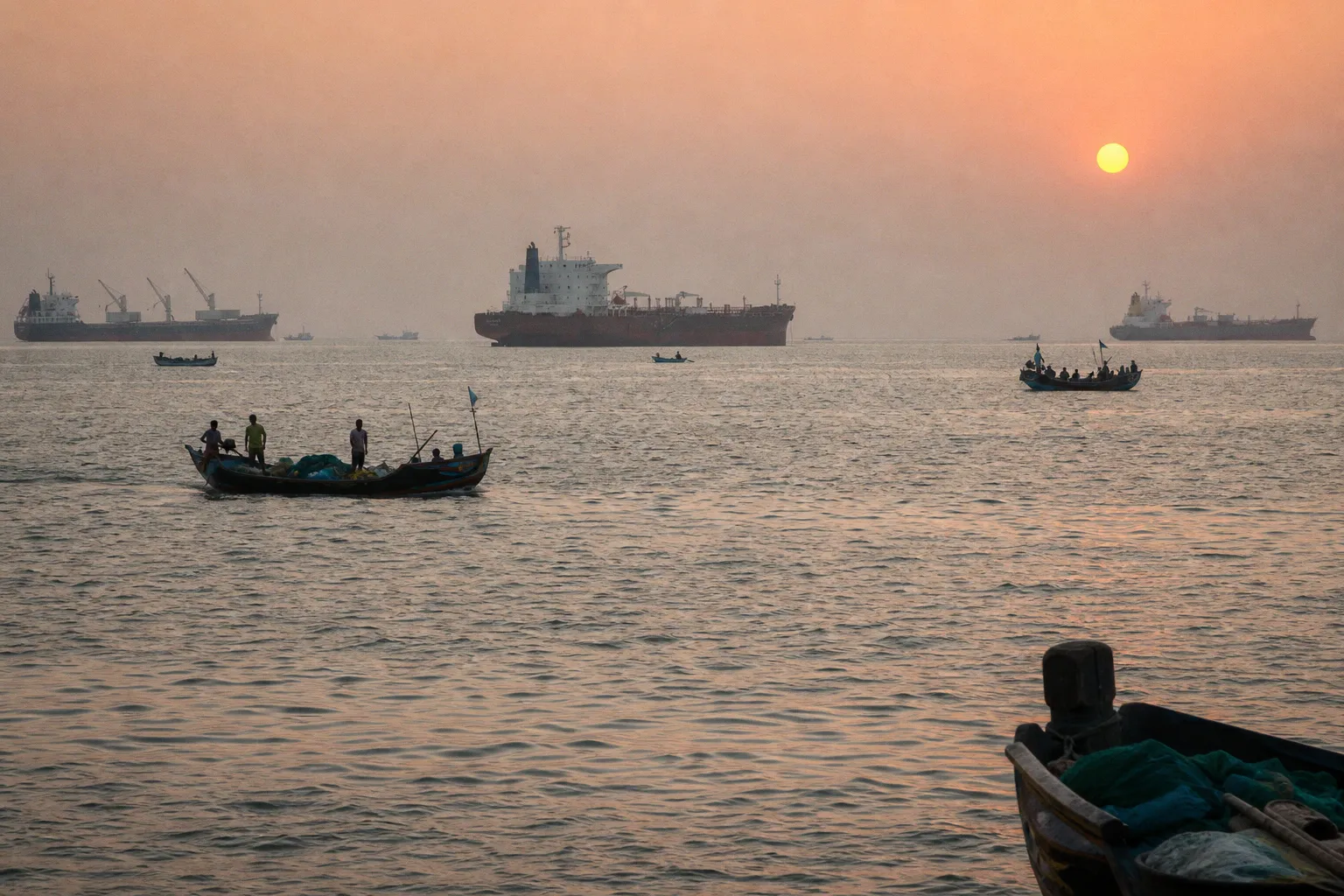
Fertilizer trade meets the chokepoint problem
The confirmed public detail is limited: Indiatimes has reported that India’s fertilizer imports are navigating the West Asia crisis as supply-chain resilience is tested. That formulation matters because fertilizer is not a discretionary cargo category; when the import chain is disturbed, the issue quickly shifts from procurement price to availability, timing and public-sector planning capacity.
The broader logistics environment described by other sector reporting is consistent with that concern. Vogue, writing on fashion supply chains, points to disruption around the Strait of Hormuz and the Red Sea, with carriers suspending Red Sea transits in some cases and rerouting around the Cape of Good Hope. That pushed transit times to the US and Europe out by several weeks in the example cited, while air freight costs rose.
The sector is different, but the mechanism is transferable: when a geopolitical shock affects maritime corridors, the first-round impact is not always the loss of a single route. It is the repricing of freight, insurance, schedules and inventory buffers across the system. For bulk and essential-input importers, that is a balance-sheet issue before it becomes a political slogan.
What the wider supply-chain response shows
The fashion-sector evidence also shows how companies are responding to the West Asia disruption. The reported adjustments include deeper reliance on trusted suppliers, longer lead-time assumptions, selective safety stock on core products, greater attention to freight exposure and a more disciplined view of which backup options are credible under pressure.
That is a useful operating framework for fertilizer and other input-heavy sectors in South Asia. Resilience is not simply having alternative names on a supplier list. It is knowing whether those alternatives can deliver when shipping lanes tighten, fuel and insurance costs move, and delivery windows become less predictable.
The Vogue report also notes that the Strait of Hormuz is not necessarily a direct route for every affected industry, yet the impact still travels through the wider system: freight costs, fuel prices, insurance, shipping schedules, supplier pricing and the cost of holding inventory. This is the institutional lesson for Bangladesh-facing readers: even where a cargo does not pass through the most visible chokepoint, its commercial terms can still be shaped by the same crisis.
Bangladesh should watch timing, not just headline prices
For Bangladesh, the practical relevance lies in monitoring import timing, contract flexibility and exposure to freight volatility. The current evidence does not establish a Bangladesh-specific supply disruption, nor does it provide confirmed figures on fertilizer volumes, prices or routes. It does, however, indicate that India’s fertilizer import chain is being assessed under the same regional stress that is forcing other industries to revise lead times and inventory assumptions.
Policy and market participants should therefore avoid treating the West Asia crisis as a distant maritime story. The question to track is whether essential-input importers in the region begin building longer buffers into procurement schedules, whether freight and insurance terms become more binding in contract negotiations, and whether route uncertainty changes the economics of holding stock.
The next market signal will not necessarily be a dramatic shortage announcement. It may be more technical: longer delivery assumptions, less flexible shipping terms, wider supplier risk reviews and a higher working-capital burden for firms that cannot pass logistics costs through quickly. For economies where agriculture and food-price stability remain central to fiscal management, that is the point at which a shipping disruption becomes a macroeconomic variable.