Trade finance NPLs hit up to 80 percent at vulnerable banks: BIBM study
Trade finance non-performing loans have climbed to between 40 and 50 percent at Bangladesh's troubled banks, and above 80 percent at institutions already carrying heavy overall NPL ratios alongside…
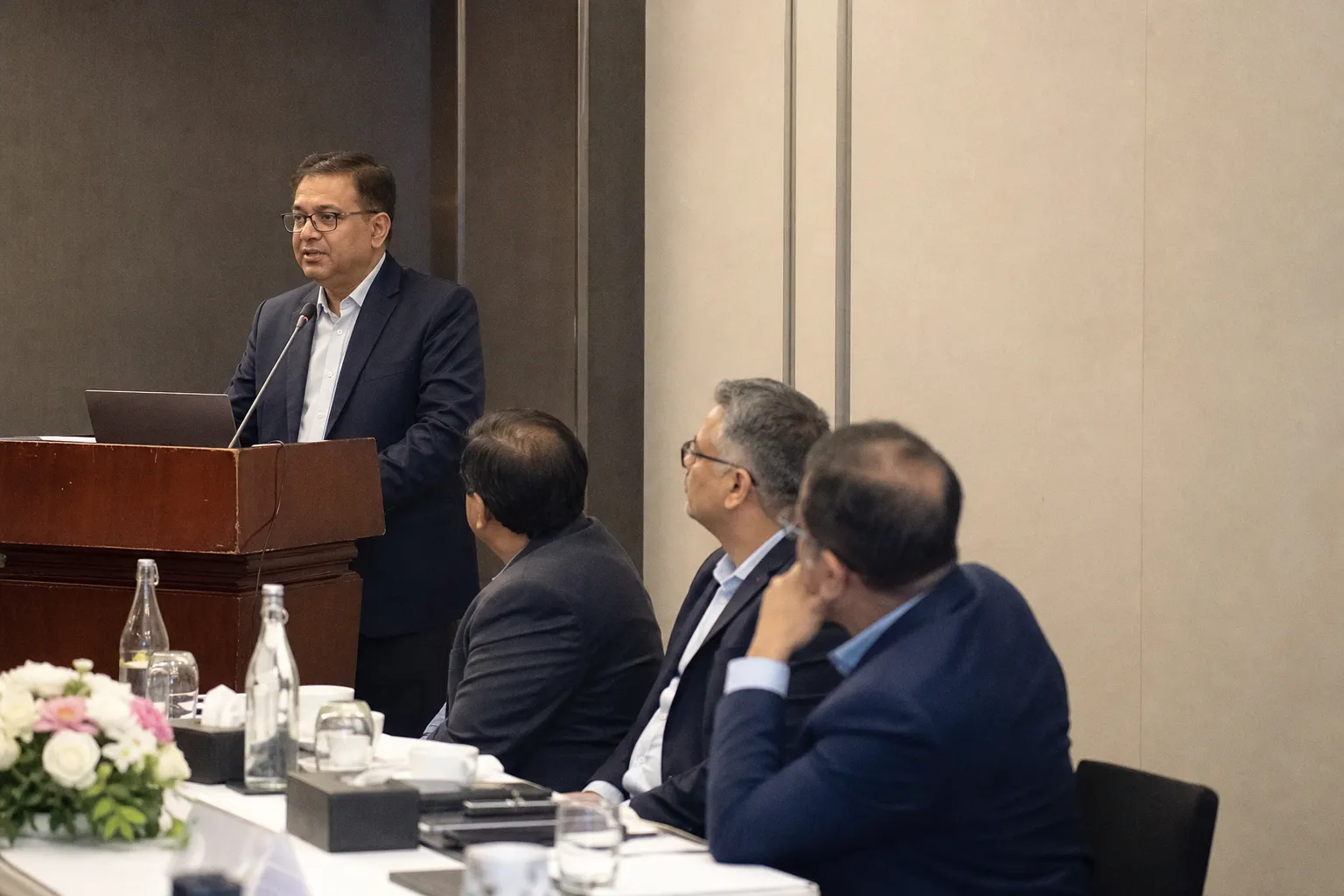
Trade finance non-performing loans have climbed to between 40 and 50 percent at Bangladesh's troubled banks, and above 80 percent at institutions already carrying heavy overall NPL ratios alongside concentrated trade exposures, according to a Bangladesh Institute of Bank Management study presented at a workshop in Mirpur, Dhaka. The figures mark one of the starkest asset-quality disclosures for the country's trade-finance book in recent memory, and they sharpen the analytical question of whether structural weaknesses in import and export financing — rather than cyclical shocks — are now driving the deterioration.
Drivers behind the spike
The research paper, presented by BIBM Professor (Selection Grade) Dr. Shah Md. Ahsan Habib, identifies the forced conversion of non-funded liabilities into funded loans as the principal mechanism behind rising trade defaults. The pattern is concentrated in import financing for capital machinery, raw materials including cotton, essential commodities such as sugar and fertilizer, fuel, and scrap vessel imports.
In export finance, the study points to widespread misuse of back-to-back Letters of Credit opened without legally enforceable sales contracts. The mechanics are straightforward: back-to-back LCs are designed to be self-liquidating once confirmed export orders are executed, but where the underlying contract is weak or disputed, delayed or unrealized export proceeds convert the facility into a forced loan, multiplying credit risk on the bank's balance sheet. A survey of industry professionals cited in the paper reportedly showed near-unanimous agreement among bankers that this LC misuse is directly fueling export-side default loans.
Regulatory and structural response
Presiding over the workshop, BIBM Director General Dr. Md. Ezazul Islam called for a modernized legal and digital infrastructure capable of supporting electronic trade documents — a prerequisite, the paper argues, for faster, more secure, and paperless cross-border transactions. He also pressed for tighter measures against trade-based money laundering and terrorism financing, while flagging the need to widen trade-finance access for small and medium enterprises through innovative products and risk-sharing mechanisms.
Dr. Islam further stressed that product-level data collection, risk management, and asset-quality monitoring will require closer coordination among Bangladesh Bank, scheduled banks, customs authorities, and other stakeholders.
What to watch
The BIBM study does not name specific institutions, but the bifurcation it describes — mid-range stress at "troubled" lenders versus acute deterioration at banks already carrying high aggregate NPLs — suggests that trade-finance exposure is functioning as an amplifier of pre-existing balance-sheet weakness rather than an independent source of loss. The near-term test for policymakers will be whether Bangladesh Bank uses the paper's findings to tighten back-to-back LC issuance standards and push electronic documentation frameworks, or whether the structural vulnerabilities persist and continue converting trade flows into non-performing assets.