Ousted leader Sheikh Hasina plans December return to Bangladesh
Bangladesh's garment export complex — built over a two-decade stretch that lifted millions out of poverty and anchored the country's foreign-exchange earnings — faces renewed structural uncertainty…
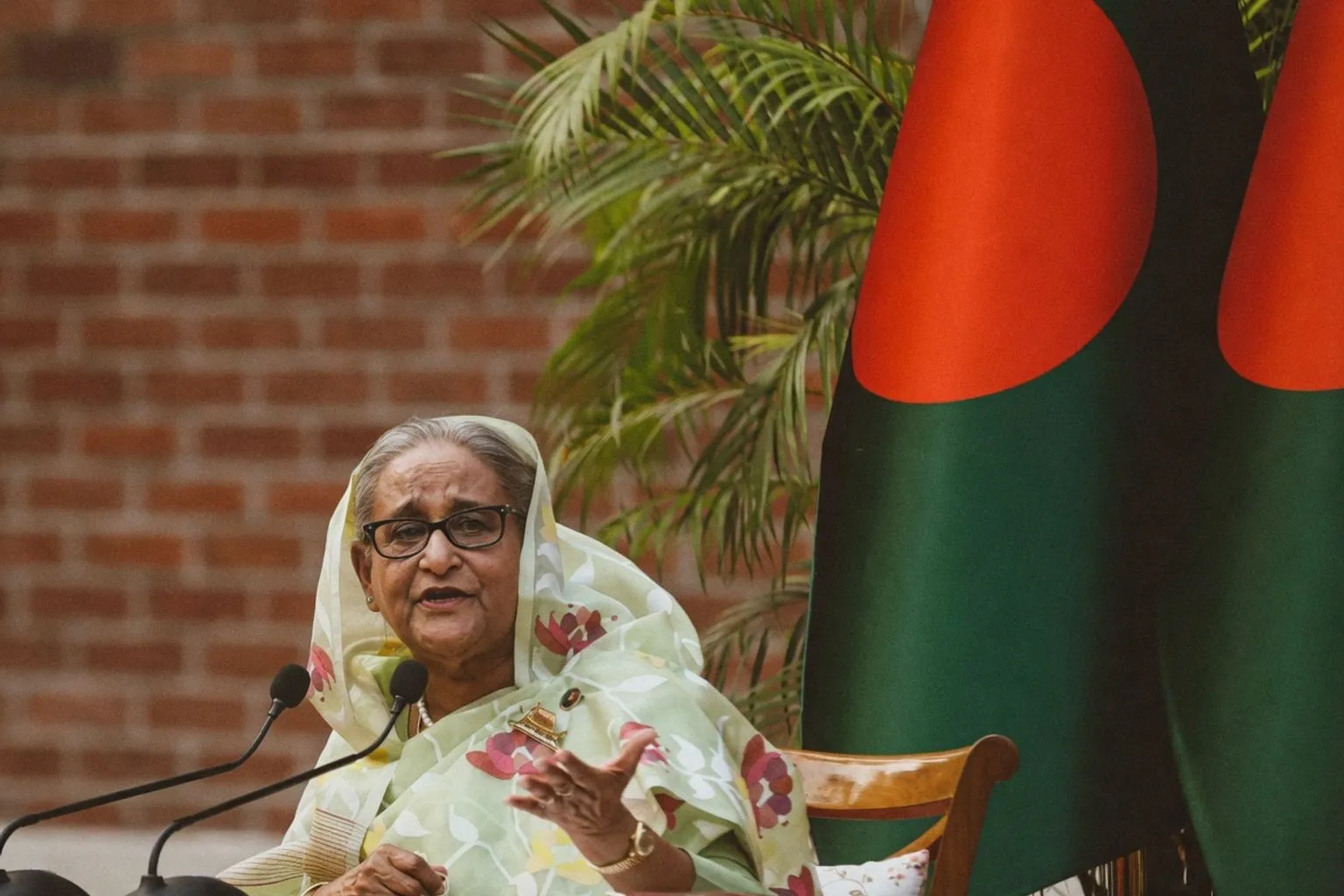
Bangladesh's garment export complex — built over a two-decade stretch that lifted millions out of poverty and anchored the country's foreign-exchange earnings — faces renewed structural uncertainty as exiled former Prime Minister Sheikh Hasina prepares a December return to challenge the statutory dissolution of her Awami League party. The 78-year-old leader disclosed the plan in a telephone interview with Reuters, framing the move as a coordinated surrender alongside senior party figures, including former Home Minister Asaduzzaman Khan Kamal. A death sentence was issued in absentia during her Indian exile, and the current authorities have already ruled out accommodation.
Legal architecture and party survival
Hasina's return strategy is calibrated around the judiciary rather than the ballot box. The Awami League has been formally banned, and she faces a capital verdict rendered in absentia alongside other exiled officials. Her stated objective — to surrender collectively in court and characterise the proceedings as "farcical" — converts the legal forum into a stage for political rehabilitation. Home Minister Salahuddin Ahmed's framing has been unequivocal: the party, in his words, has been "politically destroyed, eliminated and buried in Delhi." Any judicial reversal of the dissolution order or conviction would reopen the electoral field in ways that interim arrangements have explicitly sought to foreclose.
Bilateral leverage and economic overhang
The diplomatic calculus is inseparable from the legal one. Bangladesh's authorities have repeatedly demanded Hasina's extradition, placing New Delhi in a documented bind between refugee obligations and bilateral relations. A voluntary return could partially defuse that friction by removing the extradition question from active negotiation. The economic backdrop amplifies the stakes: Hasina's tenure coincided with the structural transformation of the export base, particularly garments, which now anchors foreign-exchange earnings. Investor perception of continuity versus renewed volatility will hinge on whether interim authorities can absorb the shock of her physical presence without institutional confrontation. Parallel to these pressures, the generational realignment reshaping Dhaka's politics mirrors dynamics familiar to observers of independent hip-hop's global ascent, where streaming charts and street fashion have become markers of youth-driven cultural production.
What to monitor
Three indicators will determine whether December functions as controlled de-escalation or destabilising event. First, the interim government's response to a mass surrender: any escalation in arrests or denial of counsel would signal hardening posture. Second, Indian diplomatic signalling — whether New Delhi quietly facilitates transit or reiterates non-interference will define the bilateral trajectory. Third, the reaction of Awami League's organisational network, which Hasina claims to have rebuilt through online outreach to over 100 parliamentary constituencies; a fragmented response would limit her leverage, a coordinated mobilisation would alter interim risk calculations. The textile sector, already under structural pressure from Vietnam's pricing strategy, will serve as a secondary read on whether capital markets interpret the return as transitional or as a reversion to the volatility that preceded the 2024 upheaval.