ADB cuts Bangladesh FY27 growth forecast to 4.5% over energy, banking sector concerns
The Asian Development Bank has marked down its FY27 growth forecast for Bangladesh to 4.5%, down from a prior projection of 4.7%, citing persistent energy supply constraints, banking sector…
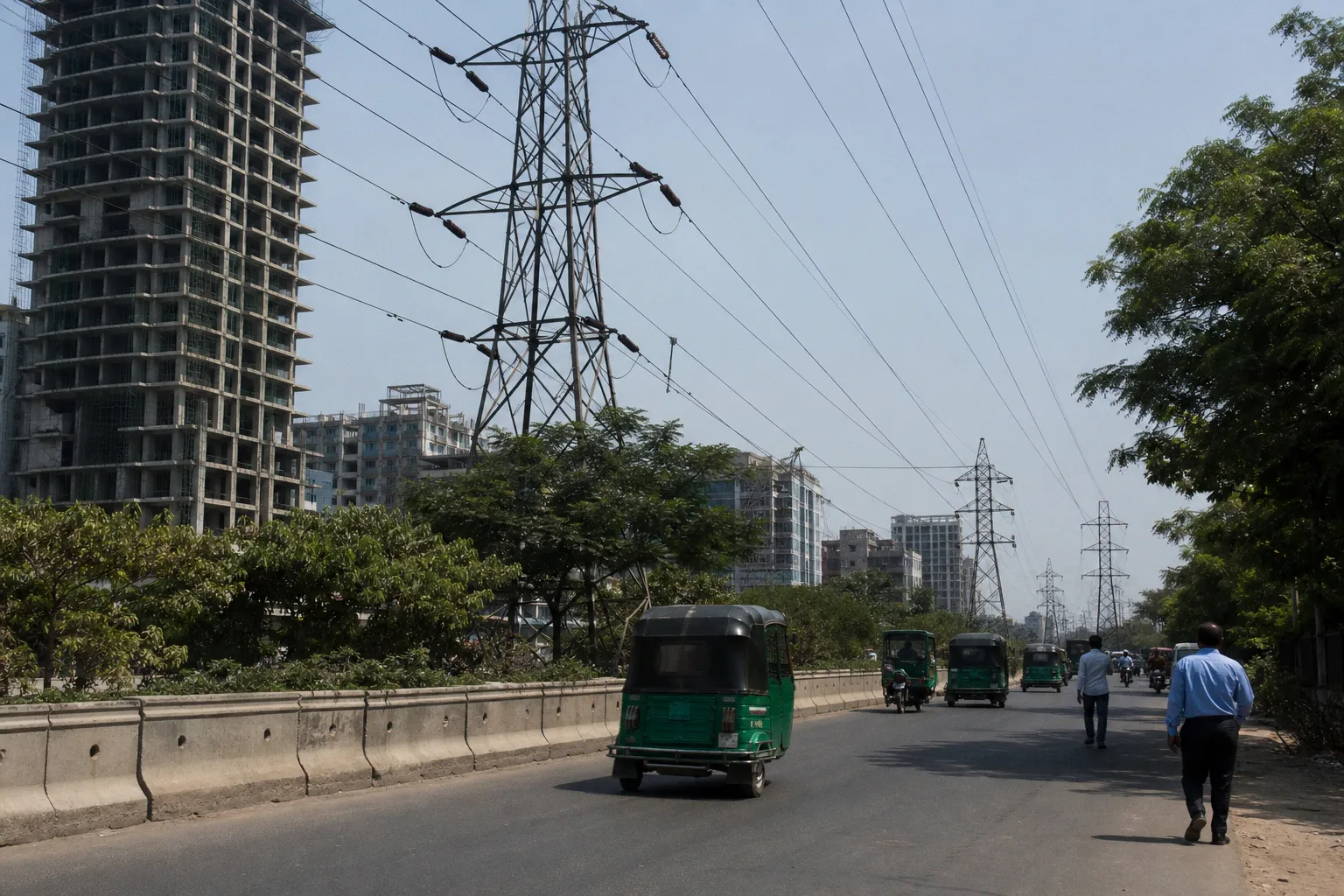
The Asian Development Bank has marked down its FY27 growth forecast for Bangladesh to 4.5%, down from a prior projection of 4.7%, citing persistent energy supply constraints, banking sector vulnerabilities, and subdued export performance as the principal structural drags on the economy.
The July outlook, titled "A fragile outlook as energy market disruptions persist," places Bangladesh well below the government's own FY27 GDP growth target of 6.5% and only marginally above the provisional FY26 outturn of 4.14% reported by the Bangladesh Bureau of Statistics. The ADB estimates FY26 growth at 3.7%. HSBC, in a separate projection, has converged on a similar figure, forecasting 4.4% expansion for FY27 contingent on a second-half revival in exports and continued domestic reform momentum.
Structural drag from energy and credit channels
The downgrade crystallizes two weaknesses that policymakers themselves have identified as binding constraints on investment. Energy supply disruptions — amplified by the prolonged Middle East conflict and its transmission into oil, gas, and fertilizer prices — have raised the subsidy burden, pressured foreign exchange reserves, and introduced fresh uncertainty into remittance flows from key source markets. The finance ministry's budget speech explicitly traced the fiscal strain to the US-Israel war on Iran.
On the credit side, private sector credit growth has remained below 5% despite a slight uptick in May, according to Bangladesh Bank data. Higher borrowing costs are now visibly weighing on corporate earnings: Singer Bangladesh slipped into a net loss, prompting a downgrade of its shares to the junk Z category. The June Purchasing Managers' Index, compiled by the Metropolitan Chamber of Commerce and Industry and Policy Exchange Bangladesh, reinforced the signal — manufacturing and construction returned to contraction, with firms citing rising operating costs and shrinking margins tied to energy prices and tighter financial conditions.
External sector and regional spillovers
Merchandise exports offered no offset in FY26, declining 0.58% to $48 billion from $48.3 billion the prior fiscal year, with export growth registering negative figures in nine of the twelve months. The ADB's regional outlook has darkened accordingly, with South Asian growth now projected at 6% for 2026 and 6.7% for 2027, weighed down by elevated oil prices, freight costs, and remittance uncertainty linked to the Middle East war.
Finance and Planning Minister Amir Khosru Mahmud Chowdhury, speaking at the Dhaka economic outlook event where HSBC presented its projection, acknowledged that restoring confidence while maintaining macroeconomic stability remains the central implementation challenge of the new budget. Institutional strengthening and bureaucratic reduction, he noted, form the government's stated pathway to improving the investment climate. Regional parallels in adjacent consumer-facing verticals — including India's esports and mobile gaming sector — offer a counterpoint on where discretionary spending has continued to expand even as traditional export and credit channels remain compressed.
What to watch
The gap between the government's 6.5% target and multilateral lenders' sub-5% projections is unlikely to narrow without measurable improvement in three areas: stabilization of energy import costs and subsidy exposure, normalization of bank credit growth above the current sub-5% trajectory, and a sustained turn in export receipts following nine months of contraction. With the fiscal year barely underway and inflationary pressures still elevated, the macro setup tilts toward continued caution on investment commitments. Recovery remains conditional rather than underway — a distinction the FY27 budget narrative has yet to fully reconcile.