Bangladesh seeks stronger UN support for LDC graduation, SDG implementation
Bangladesh's formal request to the UN for a three-year postponement of its Least Developed Country (LDC) graduation timeline, coupled with a stark enumeration of its Sustainable Development Goals…
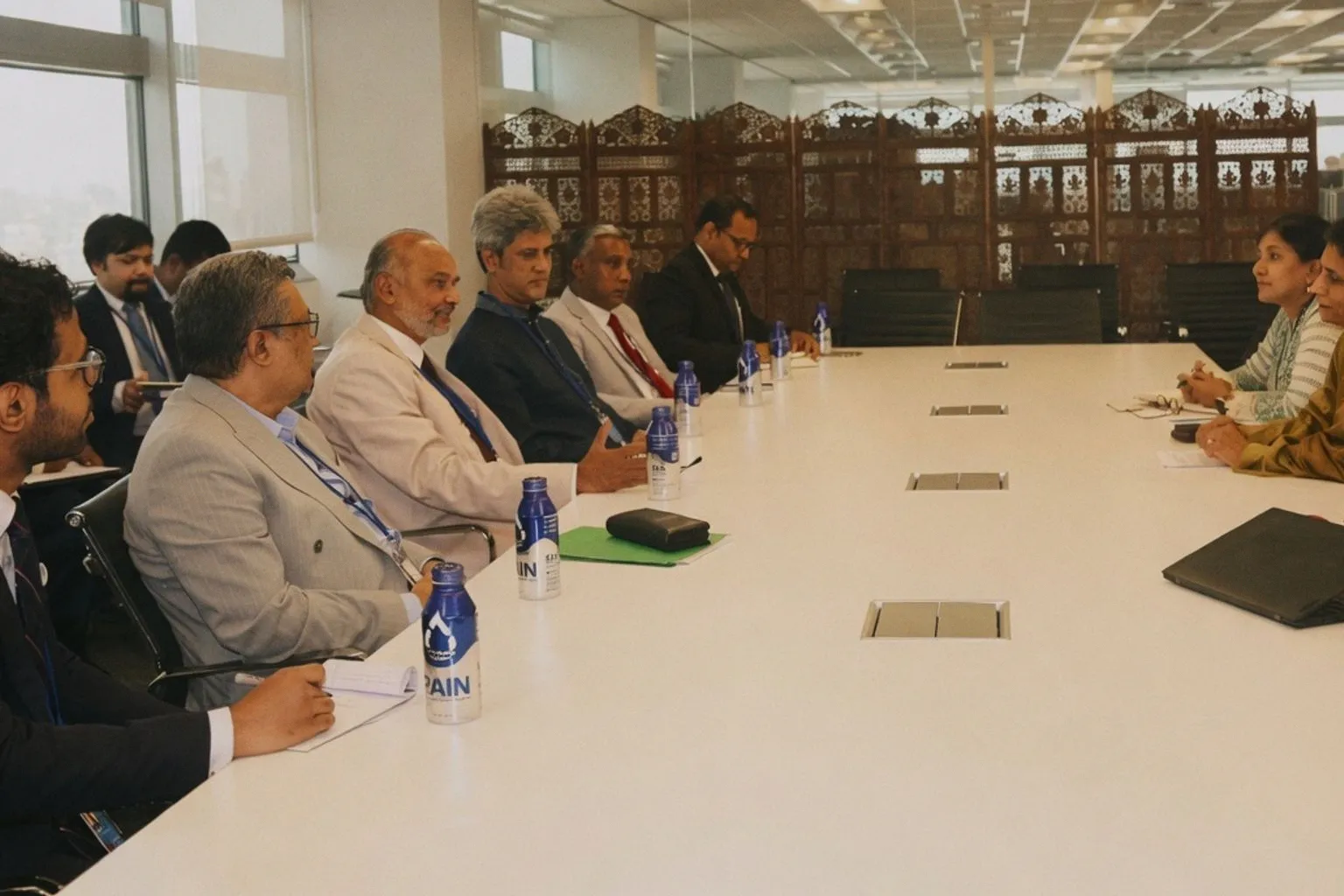
Bangladesh's formal request to the UN for a three-year postponement of its Least Developed Country (LDC) graduation timeline, coupled with a stark enumeration of its Sustainable Development Goals (SDG) financing deficits, signals a strategic recalibration of its development posture. Adviser Rashed Al Mahmud Titumir's meetings at UN Headquarters underscore a push for institutional support to navigate a complex transition, balancing macroeconomic stabilization against staggering financial requirements for both national reform and humanitarian commitments.
The Calculus of a Delayed Graduation
The request for an extended preparatory period is a direct appeal for additional runway to implement the "Smooth Transition Strategy" and ensure macroeconomic stability. This move is framed not as a retreat from development goals, but as a bid for a sustainable and irreversible exit from LDC status. The UN's reaffirmed support provides diplomatic scaffolding for this narrative, positioning the delay within a cooperative framework rather than a unilateral postponement.
Quantifying the SDG Financing Chasm
The government's presentation of a $132 billion annual SDG financing gap lays bare the structural challenge ahead. This figure, cited at the High-Level Political Forum, contextualizes the graduation not merely as a change in UN classification, but as a fiscal watershed. The parallel disclosure of a 37% funding shortfall for supporting 1.3 million Rohingya refugees—with an immediate gap of approximately $261 million—compounds the fiscal pressure, creating a dual mandate for external support.
Forward Trajectory and Institutional Leverage
The outlined "3R" strategy—Recovery, Restoration and Reconstruction for Acceleration—serves as the domestic policy counterpart to these international appeals. This two-pronged approach seeks to leverage UN technical and financial support to underwrite a controlled transition. For stakeholders, the key metric will be the alignment of concessional financing and technology transfer commitments with the extended preparatory timeline, determining whether this period facilitates genuine institutional strengthening or merely delays a fiscal reckoning. The case exemplifies how emerging economies are navigating global development frameworks, a dynamic also observed in sectors like cross-border digital asset settlement, where institutional and regulatory pacing is critical.